
Blog Detail
Understanding Running Hours, Overhauls and Load Tests
Posted On 13 May 2026
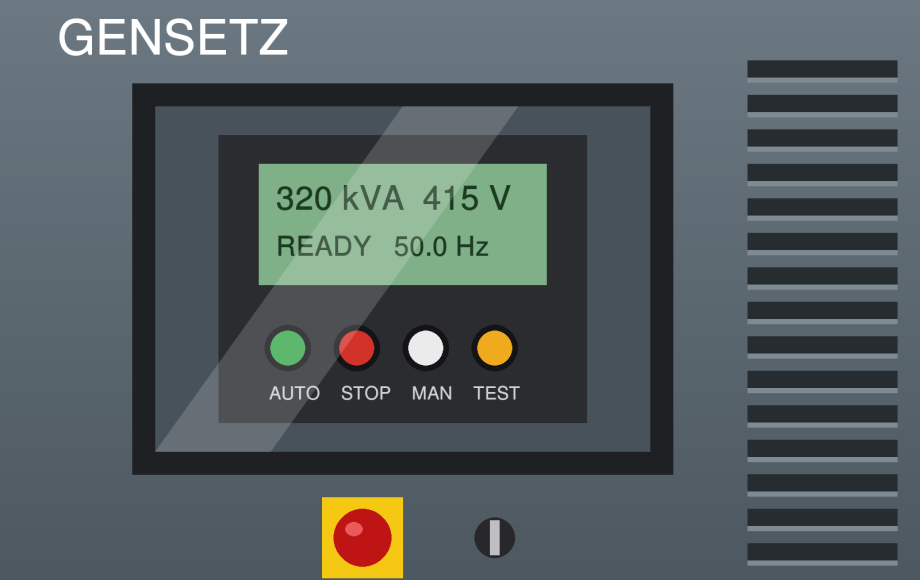
When buyers compare used gensets, the first number they usually ask for is the running hours. Hours matter, but on their own they can be misleading. To judge the real condition of a used diesel generator you need to read hours together with the service history, overhaul records and a proper load test. Here is how to put those pieces together.
What running hours tell you — and what they don't
The hour meter records how long the engine has run. It gives a useful indication of wear, but keep these points in mind:
- Hour meters can be replaced or reset. A controller or meter change can leave a set showing far fewer hours than the engine has actually run. Cross-check the reading with service records and invoices.
- Low hours are not automatically good. A standby set that sat idle for years, was rarely exercised under load or was stored poorly can have corroded components, degraded fuel, dried-out seals or weak batteries.
- How the hours were run matters. An engine that ran steadily at a healthy load with regular servicing can be in better condition than one with fewer hours spent mostly idling or at very light load.
- Duty type matters. Prime-power sets at sites without reliable grid power build hours quickly; standby sets usually accumulate hours slowly.
Service history: the context for the hours
A complete service history is one of the best signs of a well-kept set. Look for:
- Regular oil, fuel filter, air filter and coolant changes at the intervals recommended by the manufacturer
- Records of repairs, replaced parts and the reasons for them
- Who carried out the service — the authorised dealer, an AMC provider or in-house staff
- Periodic test runs, particularly for standby sets
Gaps in the records are not always a deal-breaker, but they mean the physical inspection and load test become even more important.
Top overhaul vs major overhaul
Sellers often describe a set as "overhauled". Ask exactly what was done, because the term covers very different levels of work:
- Top overhaul (top-end): work on the cylinder head area — typically valves, valve seats, injectors and head gaskets. It addresses issues such as poor compression through the valves or injector problems.
- Major overhaul (in-frame or out-of-frame): a much deeper rebuild that usually includes pistons, rings, cylinder liners, main and connecting-rod bearings, and inspection or regrinding of the crankshaft, along with the top-end work.
Overhaul intervals vary widely by engine model, duty and maintenance, so there is no single "correct" number of hours. Refer to the manufacturer's guidance for the specific engine.
A credible overhaul record should state the date, the hour-meter reading at the time, who did the work, which parts were replaced (ideally with part numbers and invoices) and whether a load test was carried out afterwards. Ask how many hours the set has run since the overhaul.
Why a load test matters
Many faults only show up under load. A set can idle smoothly and still fail to hold voltage and frequency, overheat or smoke heavily when it has to work. A load test uses a load bank (usually resistive) to apply a controlled electrical load while the engine and alternator are monitored.
A typical test applies load in steps — for example quarter, half, three-quarter and full load — holding each step long enough for readings to stabilise. At each step, record:
- Voltage on each phase and frequency
- Current on each phase and kW
- Oil pressure and coolant temperature
- Exhaust smoke and any unusual noise or vibration
- How quickly voltage and frequency recover when load is added or removed
Reading a test report
When a seller shares a test report, check that it:
- Identifies the set by engine and alternator serial numbers
- Is recent and states the date, location and who performed the test
- Shows the load steps, duration and readings, not just a "pass" stamp
- Records the hour-meter reading at the time of the test
- Notes any observations or defects found
If anything is unclear, ask for a fresh test in your technician's presence.
Putting it together
Treat running hours as the starting point, the service and overhaul history as the context, and the load test as the proof. On GENSETZ, sellers can attach test reports and warranty documents to their listings, and every listing is reviewed before it goes live — but the final judgement on condition should always come from your own inspection and testing.
Related post
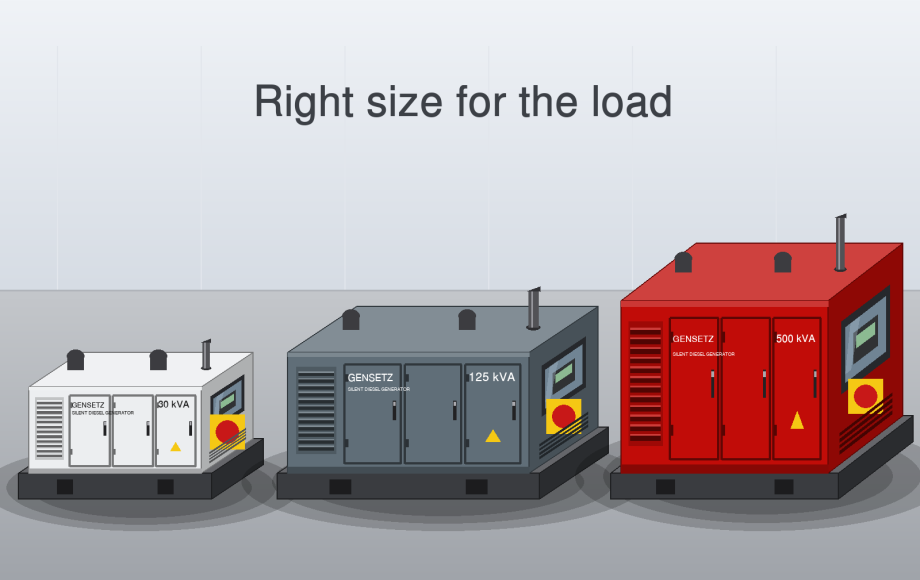
How to Choose the Right kVA Rating for Your Business
Buying a generator that is too small leads to tripping, voltage dips and a set that is constant...
15 Mar 2026
Checklist for Inspecting a Used Diesel Generator
A well-maintained used diesel generator can give years of dependable service at a fraction of t...
14 May 2026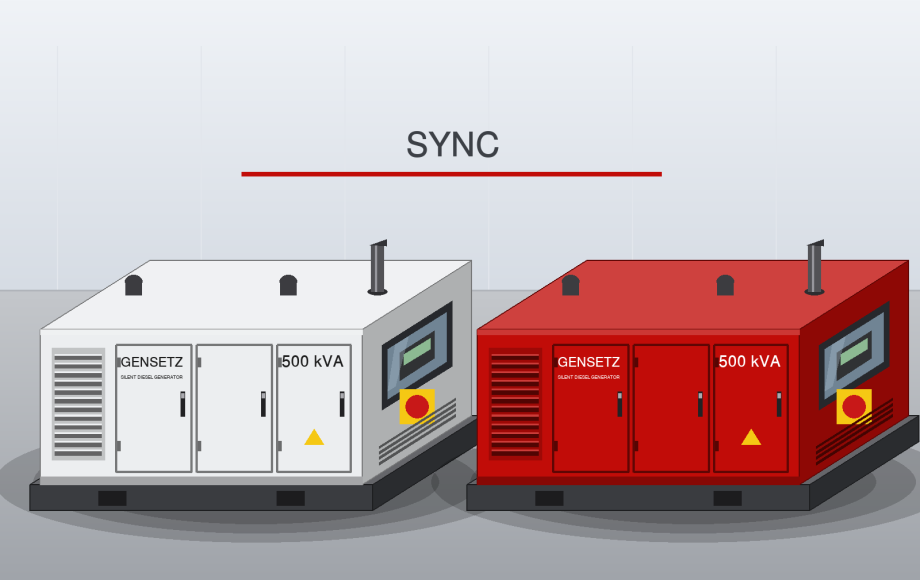
AMF Panels and Generator Synchronisation Explained
Many used generator listings mention an "AMF panel" or a "synchronising panel". Both add real v...
12 May 2026
CPCB IV+ Emission Norms: What They Mean for Used Generators
India's move to tighter emission norms for diesel generator sets has changed the new-genset mar...
10 May 2025