
Blog Detail
AMF Panels and Generator Synchronisation Explained
Posted On 12 May 2026
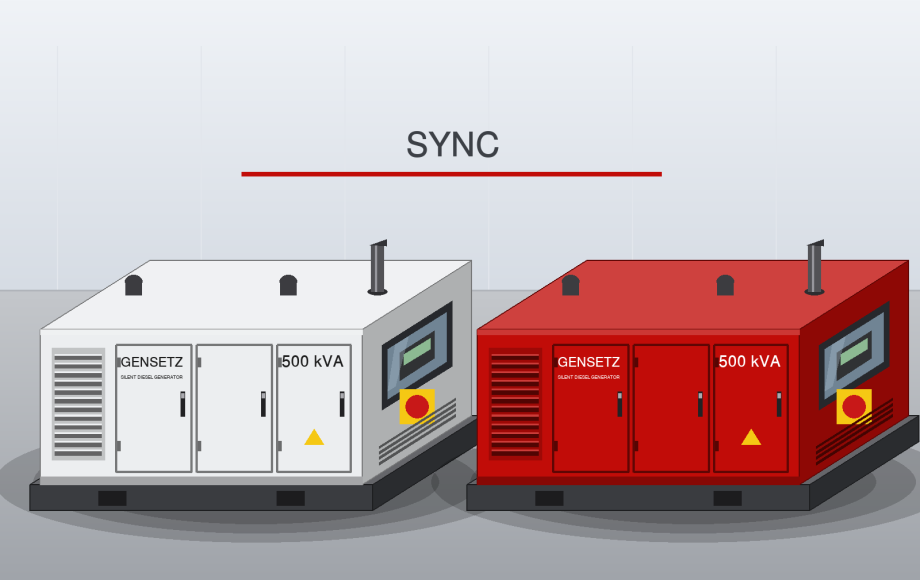
Many used generator listings mention an "AMF panel" or a "synchronising panel". Both add real value, but only if they suit how you plan to use the set. This article explains what each one does, when you need it and what to check when buying a used generator that comes with one.
What is an AMF panel?
AMF stands for Automatic Mains Failure. An AMF panel monitors the incoming grid (mains) supply and takes over the generator's start-up and changeover when the grid fails — without anyone having to be present.
A typical AMF sequence works like this:
- Mains failure detected: the controller senses that grid voltage or frequency is missing or out of limits.
- Start delay: it waits briefly to ignore momentary dips, then starts the generator.
- Changeover: once the generator voltage and frequency are stable, the load is transferred from mains to generator through contactors or circuit breakers.
- Mains restored: when the grid returns and stays stable, the load is transferred back to mains.
- Cool-down: the generator runs off-load for a short period before stopping.
The changeover takes a few seconds, so an AMF panel is not a replacement for a UPS. Sensitive equipment such as servers still needs UPS support to ride through the gap.
Main parts of an AMF panel
- An AMF controller (the "brain" that handles sensing, timing, alarms and protections)
- Mains and generator contactors or breakers, usually electrically and mechanically interlocked so both sources cannot feed the load together
- Voltage and current sensing, metering and indication lamps
- A battery charger to keep the starting batteries ready
- Manual/auto selector and emergency stop
Do you need AMF?
An AMF panel is well suited to hospitals, data rooms, telecom sites, cold storage, hotels, apartment complexes and any site where outages must be handled quickly and automatically, even outside working hours. For a site where someone is always available and short interruptions are acceptable, a manual changeover arrangement can be enough.
What is synchronisation?
Synchronisation allows two or more generators to run in parallel and feed a common busbar. Before a generator's breaker can close onto a live bus, its output must match the bus in:
- Voltage
- Frequency
- Phase angle
- Phase sequence
A synchronising panel and compatible controllers handle this matching automatically, then share the load between the running sets — both real power (kW) and reactive power (kVAr).
Why businesses synchronise generators
- Redundancy: if one set trips or is under maintenance, others continue to supply critical loads.
- Efficiency: at low demand, fewer sets run, each at a healthier load, instead of one large set running lightly loaded.
- Scalability: capacity can be added later by adding another set rather than replacing the existing one.
- Maintenance flexibility: sets can be serviced one at a time without a full shutdown.
Running a generator in parallel with the grid is a separate, more complex case. It involves additional protection and typically needs approval from your electricity distribution company, so consult a qualified electrical contractor before planning it.
Buying a used set with AMF or synchronising equipment
- Controller make and model: confirm it is still supported and that spares and programming software are available.
- Governor and AVR: synchronisation and load sharing generally need an electronic governor and a suitable AVR. Check what is fitted.
- Compatibility: if you are paralleling with sets you already own, make sure the controllers can work together.
- Breaker and contactor ratings: check they suit the generator's rating and your load.
- Demonstration: ask the seller to demonstrate a simulated mains failure (for AMF) or a synchronising and load-sharing test (for parallel sets).
- Wiring and documentation: ask for panel drawings and settings, which make recommissioning much easier.
Finding the right set
When you browse listings on GENSETZ, check the panel details in each listing and mention your AMF or synchronisation requirement clearly in your enquiry. The seller can then confirm the exact configuration, and your electrical contractor can verify compatibility before you buy.
Related post
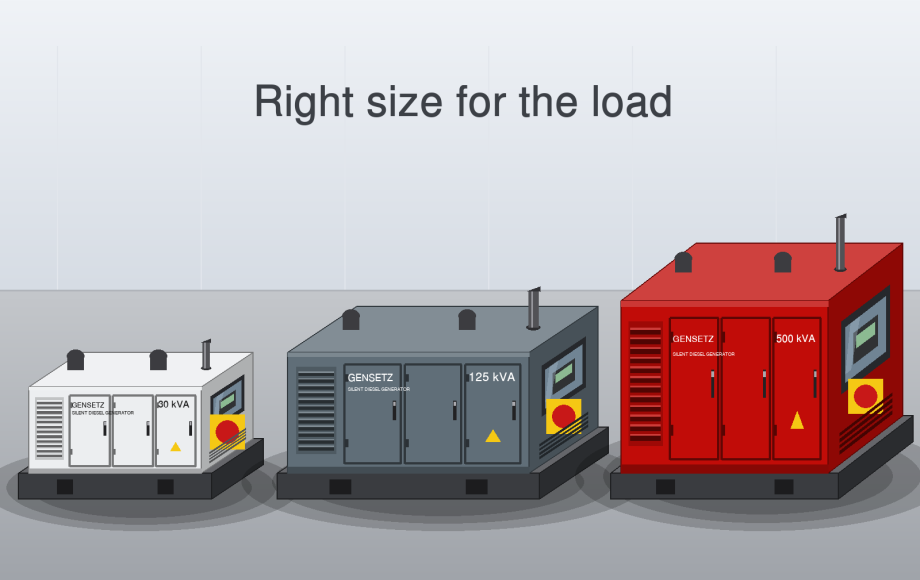
How to Choose the Right kVA Rating for Your Business
Buying a generator that is too small leads to tripping, voltage dips and a set that is constant...
15 Mar 2026
Checklist for Inspecting a Used Diesel Generator
A well-maintained used diesel generator can give years of dependable service at a fraction of t...
14 May 2026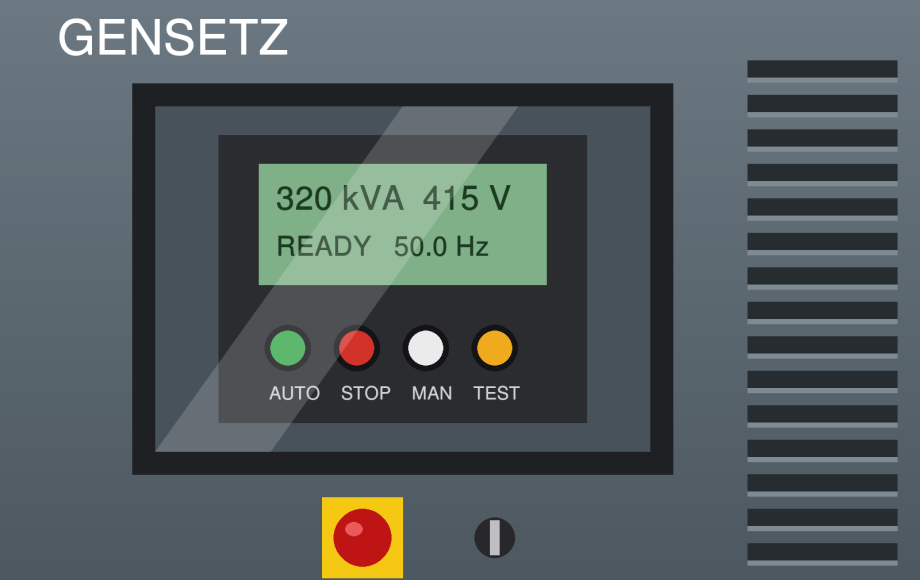
Understanding Running Hours, Overhauls and Load Tests
When buyers compare used gensets, the first number they usually ask for is the running hours. H...
13 May 2026
CPCB IV+ Emission Norms: What They Mean for Used Generators
India's move to tighter emission norms for diesel generator sets has changed the new-genset mar...
10 May 2025