
Blog Detail
Checklist for Inspecting a Used Diesel Generator
Posted On 14 May 2026
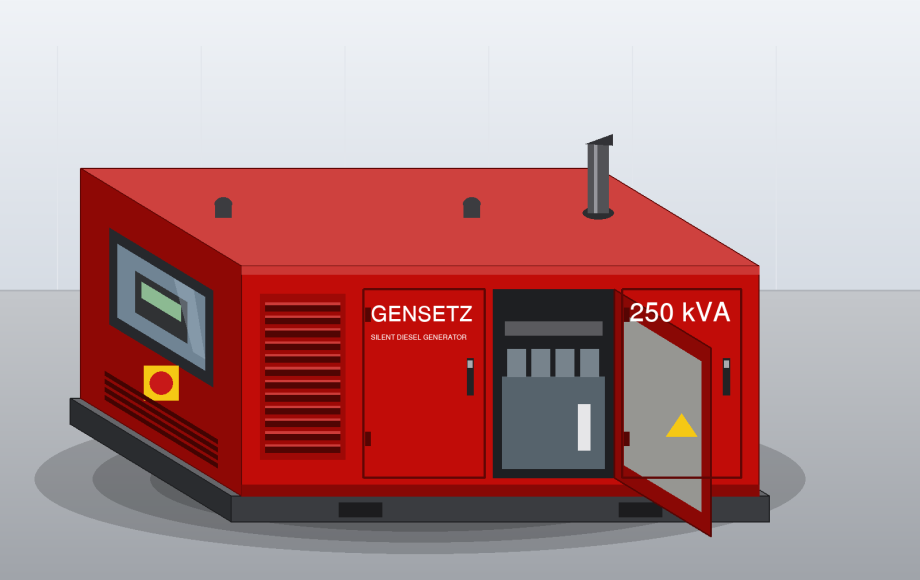
A well-maintained used diesel generator can give years of dependable service at a fraction of the cost of a new set. A neglected one can become an expensive problem. Because every used genset has its own history, a careful physical inspection — ideally by an experienced DG technician — is essential before you commit. Use this checklist when you visit a seller's yard or site.
1. Documents and identification
- Nameplate: note the make, model, serial number, kVA/kW rating, voltage, frequency and year of manufacture. Compare it with the nameplate photo on the listing.
- Engine and alternator serial numbers: check they match the documents and each other's records.
- Service history: ask for service logs, oil and filter change records and any overhaul invoices.
- Test reports: request the most recent load test report, if available.
- Ownership: ask for the purchase invoice or other proof that the seller has the right to sell the set.
2. General condition and leaks
- Look for oil, coolant and fuel leaks around the engine, radiator, pipes and base frame.
- Check hoses and fan belts for cracks, swelling or glazing.
- Inspect the radiator core for blocked or damaged fins.
- Examine the base frame, fuel tank and anti-vibration mounts for corrosion or damage.
- If the set has an acoustic enclosure (canopy), check doors, hinges, locks, rust and the condition of the sound-insulation foam.
3. Engine checks
- Cold start: ask for the engine to be started from cold. Note how easily it starts and how it settles.
- Exhaust smoke: heavy black smoke can point to overload or fuel/air problems; blue smoke can indicate oil burning; persistent white smoke can indicate coolant or combustion issues. Some smoke on a cold start can be normal.
- Noise: listen for knocking, tapping or unusual vibration.
- Blow-by: excessive fumes from the crankcase breather can indicate worn rings or liners.
- Oil condition: check the level and look for signs of coolant or fuel contamination. An oil analysis report gives a much clearer picture.
- Turbocharger: where fitted, check for oil leaks and unusual noise.
- Batteries and charger: confirm the batteries hold charge and the charger works.
4. Alternator checks
- Look for burn marks, a burnt smell, dust build-up or moisture inside the terminal box.
- Ask for an insulation resistance (megger) test on the windings.
- Listen for bearing noise while running.
- Confirm the automatic voltage regulator (AVR) holds voltage steady as load changes.
5. Control panel and protections
- Check that meters and the controller display voltage, current, frequency, running hours and alarms correctly.
- Confirm the key protections work: low oil pressure, high coolant temperature, over-speed and emergency stop.
- If the listing mentions an AMF or synchronising panel, ask for a demonstration of its functions.
- Note the controller make and model, so you can check spares and support availability.
6. Load test
A no-load run tells you very little. Wherever possible, ask for a test on a resistive load bank, applying load in steps up to the level you expect to use. During the test, record:
- Voltage and frequency stability at each step (India uses a 50 Hz supply)
- Recovery when load is applied and removed
- Oil pressure, coolant temperature and exhaust smoke under load
- Any alarms, hunting or unusual noise
Our article on running hours, overhauls and load tests explains what to look for in more detail.
7. Logistics and installation
- Confirm the dimensions and weight, and plan crane, loading and transport.
- Check the foundation, ventilation, exhaust routing and fuel storage at your site.
- Clarify who is responsible for dismantling, transport, installation and commissioning, and put it in writing.
- Check any local approvals or emission requirements that apply to your installation.
Final word
GENSETZ reviews each listing before it goes live and asks sellers for multiple photos, a nameplate photo and supporting documents. However, inspection, testing, pricing, payment and delivery are agreed directly between buyer and seller. Take your own technician, get agreements in writing and never pay in full for a set you have not inspected.
Related post
How to Choose the Right kVA Rating for Your Business
Buying a generator that is too small leads to tripping, voltage dips and a set that is constant...
15 Mar 2026
Understanding Running Hours, Overhauls and Load Tests
When buyers compare used gensets, the first number they usually ask for is the running hours. H...
13 May 2026
AMF Panels and Generator Synchronisation Explained
Many used generator listings mention an "AMF panel" or a "synchronising panel". Both add real v...
12 May 2026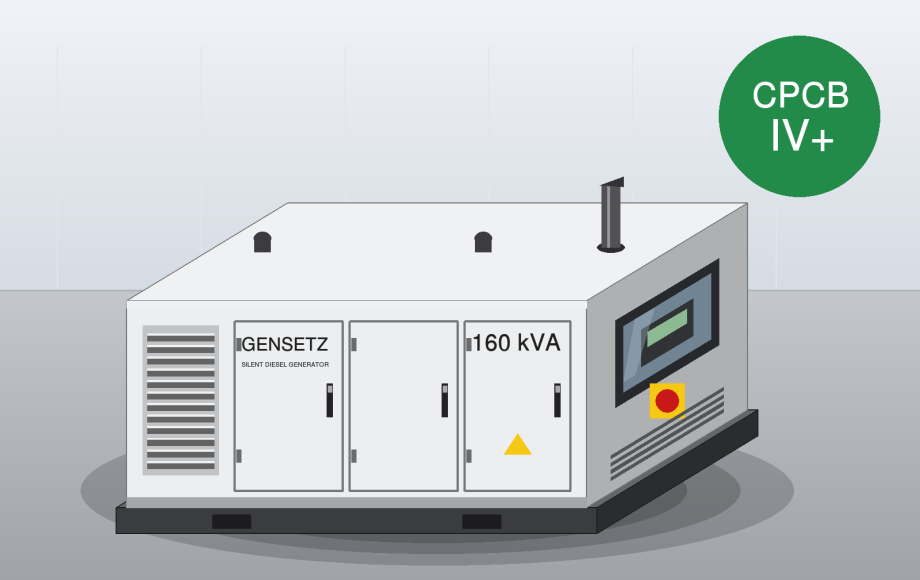
CPCB IV+ Emission Norms: What They Mean for Used Generators
India's move to tighter emission norms for diesel generator sets has changed the new-genset mar...
10 May 2025